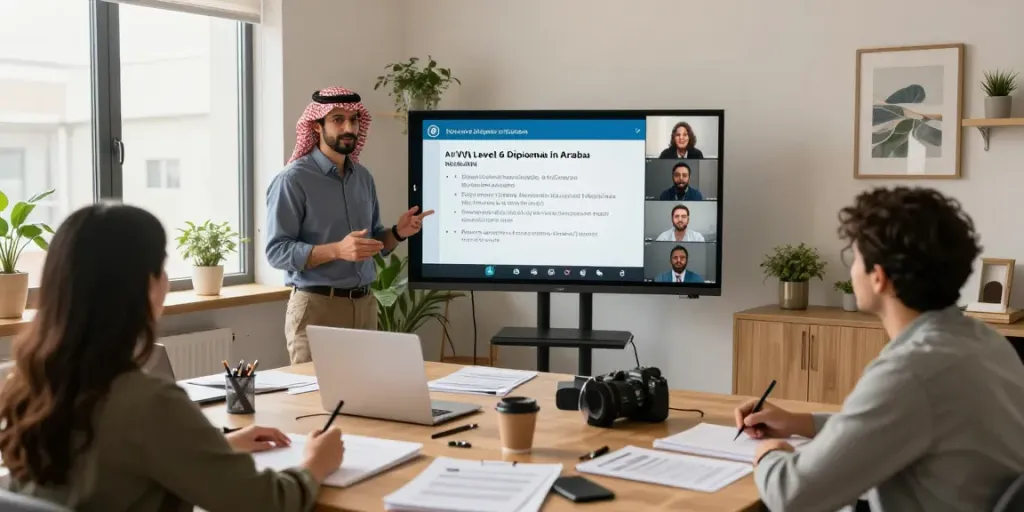
Understanding the Job Market Trends in 2026
The job market is continuously evolving, and by 2026, several key trends are expected to redefine how we view employment opportunities. As technology shapes industries and organizations adjust to the new normal, job seekers must stay informed and adaptable. Understanding the trends that influence the job landscape can greatly enhance your ability to secure the ideal position. When exploring options, หางาน provides comprehensive insights and resources to navigate these changes effectively.
Current Job Growth and Industry Demands
In 2026, significant growth is expected in sectors such as technology, healthcare, and renewable energy. The demand for skilled professionals in these areas will outpace other sectors due to ongoing innovations and shifts towards sustainable practices. Job roles like data analysts, healthcare providers, and renewable energy technicians are projected to see a dramatic increase in demand.
Additionally, industries related to e-commerce, artificial intelligence, and cybersecurity will also be at the forefront of job creation. Professionals who can demonstrate adaptability and a willingness to upskill will be particularly favored. This increasing demand highlights the importance of not only finding a job but aligning oneself with sectors that promise longevity and growth.
Impact of Technology on Job Opportunities
Technology is not just changing how we work; it is influencing the types of jobs available and the skill sets required to obtain them. The rise of automation and AI means many traditional roles are being replaced or transformed. However, this shift also creates new opportunities for those who are prepared to engage with technology. For example, roles in AI development, machine learning, and digital marketing are becoming critical as companies look to harness these tools for business growth.
To remain competitive, job seekers must be proficient in digital tools and platforms that enhance productivity and improve work processes. Continuous learning and adapting to new technologies will be essential for navigating future job markets.
Remote Work Trends and Their Influence
The COVID-19 pandemic accelerated the remote work trend, which is expected to remain prominent even in 2026. Many organizations have realized the advantages of flexible working arrangements, resulting in a lasting change in workplace culture. Job seekers can benefit from this shift by exploring remote positions that offer flexibility and a broader range of opportunities unconstrained by geographic boundaries.
Furthermore, remote work has enabled companies to tap into global talent pools, increasing competition. As a candidate, this means enhancing your online presence, networking in virtual environments, and honing your skills to stand out in a digital-first job landscape.
Effective Job Search Strategies for 2026
Utilizing Online Platforms for หางาน
In the search for job opportunities, leveraging online platforms remains crucial. Websites specializing in job listings, such as LinkedIn, Indeed, and various local job boards, are great resources for finding open positions. It's essential to create a professional profile that highlights your skills and experiences to attract potential employers.
Moreover, participating in forums and online communities related to your field can provide connections and insights that are not available through traditional job search methods. Engaging with these platforms can help you discover unadvertised positions and gather valuable information about companies.
Networking in the Digital Age
Networking has always been a vital aspect of job searching, but in 2026, the emphasis is on creating meaningful online connections. Utilizing platforms like LinkedIn to network with industry professionals can lead to opportunities that may not be publicly advertised. Building a personal brand through consistent engagement—sharing insights, publishing articles, or participating in discussions—will enhance your visibility.
Remember, networking is not just about what others can do for you; it's about establishing mutually beneficial relationships that can aid your career progress over time.
Crafting a Standout Resume and Cover Letter
Your resume and cover letter are often your first impression on a potential employer, making it crucial to ensure they are both compelling and tailored to the job you seek. In 2026, applicants should focus on quantifying their accomplishments, using action verbs, and emphasizing relevant skills that align with job descriptions.
Additionally, incorporating keywords from the job listing into your application can help it get noticed by Applicant Tracking Systems (ATS) commonly used by employers. A well-crafted cover letter should convey your passion for the industry while clearly articulating how your background aligns with the company’s goals.
Preparing for Job Interviews
Common Interview Questions in 2026
Job interviews will continue to evolve, with many employers focusing on behavioral interview questions. Candidates can expect questions that explore how they’ve handled challenges in previous roles or how they work in teams. Practicing these responses and preparing to discuss specific examples can significantly enhance your interview performance.
Furthermore, familiarize yourself with situational questions that assess your critical thinking and problem-solving abilities. Preparing for these types of questions can give you a competitive edge in interviews.
Effective Body Language and Communication Tips
Your body language during an interview can convey confidence and engagement. Maintaining eye contact, offering a firm handshake, and using open gestures can establish a connection with your interviewer. Additionally, listen carefully to questions and respond thoughtfully to ensure effective communication.
Clear and concise communication is also essential. Practice articulating your thoughts clearly, and be prepared to explain your qualifications and experiences in a structured manner.
Showcasing Your Skills and Experience
To make a lasting impression, it is vital to showcase your skills and experiences that are relevant to the position. Use the STAR method (Situation, Task, Action, Result) to frame your answers, demonstrating not just what you did but the impact it had on your team or organization.
Highlighting achievements in previous roles will provide concrete evidence of your capabilities, making it easier for the interviewer to see your value.
Overcoming Job Search Obstacles
Addressing Gaps in Employment History
Many job seekers face gaps in their employment history, which can raise questions for potential employers. It’s important to address these gaps positively, whether through skills gained from other experiences, such as volunteering, education, or freelancing.
Be honest about your gaps and focus on what you learned during that time. Framing your experience in a way that highlights your resilience and commitment to professional development can help mitigate concerns from employers.
Dealing with Rejections and Staying Motivated
Rejections are a normal part of the job search process. It’s essential to remain resilient and not take rejection personally. Each application is a learning opportunity; reflect on feedback or consider ways to improve your resume or interview skills for future opportunities.
Staying motivated can be challenging, but setting achievable goals and celebrating small victories throughout the job search can provide a sense of progress and accomplishment.
Common Myths About Job Searching
There are numerous myths surrounding job searching that can hinder a candidate's efforts. For instance, many believe that filling out online applications is sufficient to land a job, but proactive networking and follow-ups are often more effective.
Another myth is that you should only apply for jobs that match your exact qualifications. In reality, applying for positions where you meet a majority of the requirements can lead to successful outcomes as employers often value potential and willingness to learn.
Future-Proofing Your Career
Continuous Learning and Skill Development
As industries evolve, so must the skills of their workforce. Continuous learning will be essential in 2026, with an increasing focus on professional development and upskilling. This includes taking courses, attending workshops, or earning certifications in your field to stay relevant.
Employers will likely favor candidates who demonstrate initiative in their personal and professional growth, which can set you apart from other candidates.
Industry Certifications to Consider
Certifications can significantly enhance your employability in competitive fields. Research the certifications that are in high demand within your industry and consider pursuing those that align with your career goals. This formal recognition of your expertise can boost your credibility and increase your chances of landing the desired position.
Adapting to Changing Job Markets
The job market is dynamic, and staying adaptable is crucial for success. Pay attention to emerging trends within your industry and be ready to pivot your approach based on market demands. Flexibility in skills and openness to new opportunities can lead to unexpected and rewarding career paths.
What Job Seekers Need to Know?
Job seekers in 2026 should be aware of the importance of personal branding and online presence. Ensure that your LinkedIn profile and other professional accounts are up to date and reflect your current skill set. Engaging with industry content and participating in relevant discussions online can demonstrate your expertise and commitment.
How to Leverage Social Media for Job Search?
Social media platforms are not just for socializing; they can be powerful tools for job searching. Networking on platforms like LinkedIn and Twitter can help you connect with industry professionals, learn about job openings, and gain insights into company cultures.
Be proactive in sharing your work and engaging with others in your field to establish yourself as a knowledgeable candidate.
What's the Role of Internships in Career Building?
Internships can provide invaluable experience and often serve as a springboard for full-time employment. Gaining hands-on experience in a professional environment allows you to develop skills that are highly sought after by employers.
Moreover, internships often lead to networking opportunities, providing connections that can benefit your future job search.
What Are the Most In-Demand Skills in 2026?
Skills that will be in high demand by 2026 include digital literacy, data analysis, project management, and soft skills like communication and adaptability. Understanding the skills that are currently valued in your industry can guide your learning and development efforts.
How to Research Companies Before Applying?
Before applying to a company, thorough research is critical. Understand their mission, values, and culture to ensure they align with your professional goals. Websites like Glassdoor can provide insights into employee satisfaction and company practices, which can help you tailor your application and prepare for interviews.
What Are Common Interview Pitfalls to Avoid?
During interviews, avoid common pitfalls such as being unprepared, speaking negatively about previous employers, or failing to ask insightful questions. Demonstrating enthusiasm and knowledge about the company can significantly enhance your candidacy. Prepare by practicing responses and researching the company thoroughly to avoid these missteps.