
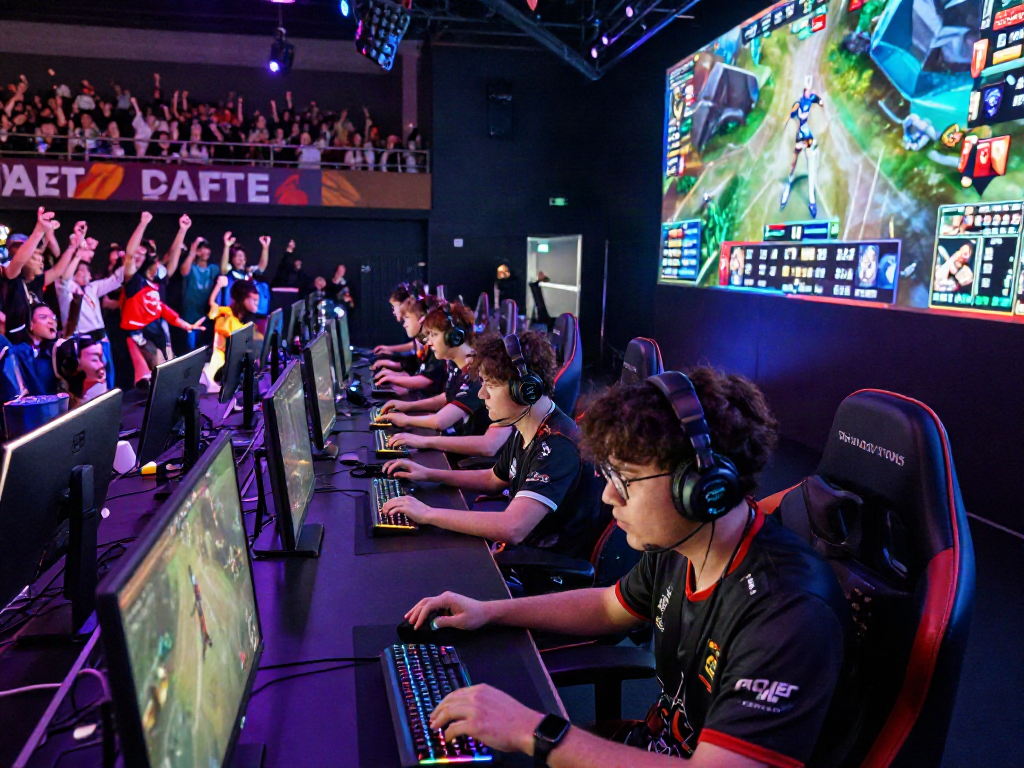
The Rise of E-Sports and Its Impact on Gaming Culture
E-sports has transformed from a niche hobby into a global phenomenon, significantly influencing gaming culture and reshaping entertainment paradigms. With millions of viewers and players, e-sports stands at the intersection of competition and community, uniting individuals across the globe through shared interests in digital gaming. The ascent of e-sports has not only changed how games are played and consumed but has also fostered a new realm of social interaction that parallels traditional sports in many respects. Additionally, platforms such as go8 are weaving their way into the fabric of e-sports, providing gamers and enthusiasts with insights and opportunities to engage more deeply with this vibrant culture.
Understanding E-Sports: Definition and Scope
E-sports, or electronic sports, refers to organized, multiplayer video game competitions, often between professional players, individually or as teams. These competitions can range from casual tournaments held at local venues to large-scale international championships featuring significant prize pools. The scope of e-sports encompasses a variety of game genres, including first-person shooters (FPS), multiplayer online battle arenas (MOBA), real-time strategy (RTS), and sports simulations. The sheer diversity of genres ensures that e-sports appeals to a wide array of players, attracting fans from different backgrounds and interests.
Key Drivers Behind E-Sports Popularity
The rapid rise of e-sports can be attributed to several key drivers:
- Accessibility: With the proliferation of high-speed internet and powerful gaming devices, more people can access competitive gaming than ever before.
- Community Engagement: E-sports fosters a sense of community through online streaming platforms, social media interaction, and in-person events.
- Monetization Opportunities: Sponsorships, advertising, and merchandise sales create substantial revenue streams that encourage investment in e-sports.
- Celebrity Players: The emergence of professional gamers as celebrities has increased interest and participation in e-sports.
How E-Sports is Reshaping the Gaming Industry
E-sports has revolutionized the gaming industry, pushing game developers to design titles that support competitive play and spectator experiences. As a result, major gaming companies are now investing in e-sports to cultivate player engagement and loyalty. Game titles such as League of Legends, Dota 2, and Overwatch not only provide entertainment but also deliver dynamic experiences through competitive frameworks and regular updates, maintaining interest and player involvement. Furthermore, these developments challenge traditional gaming paradigms, creating a new blend of entertainment that highlights competition and collaborative play.
Key Players in the E-Sports Ecosystem
Major E-Sports Organizations and Teams
Central to the e-sports ecosystem are the organizations and teams that compete at high levels. Globally recognized teams such as Team Liquid, Fnatic, and Cloud9 have carved out reputations as leaders in multiple game titles. These organizations often provide players with resources, training facilities, and management support to enhance performance. Moreover, many teams have built extensive fanbases, contributing to a sense of loyalty and community among their followers.
Influence of Game Developers and Publishers
Game developers and publishers play a crucial role in shaping the e-sports landscape. Companies like Riot Games and Blizzard Entertainment have heavily invested in their titles' competitive scenes, hosting tournaments and providing financial support to teams. By directly funding and organizing events, these companies ensure that their games remain at the forefront of competitive play, attracting both players and viewers. Furthermore, regular game updates and balance patches help maintain fairness and competitiveness in the e-sports arena.
Role of Sponsors and Advertisers in E-Sports
Sponsors and advertisers are vital in the growth and sustainability of e-sports. Major brands like Intel, Red Bull, and Coca-Cola have recognized the potential of e-sports to reach younger audiences and have strategically positioned themselves within this space. Sponsorships provide financial backing for events and teams, while advertising partnerships enhance visibility for both brands and e-sports organizations. The symbiotic relationship between e-sports and brands paves the way for innovative marketing strategies that leverage the unique aspects of gaming culture.
Viewership Trends and Audience Engagement
Demographics of E-Sports Viewers
The e-sports audience is diverse, encompassing a range of age groups, gender identities, and geographical locations. Research indicates that the majority of e-sports viewers are aged between 18 and 34, with a significant percentage being male. However, the female viewership segment is gradually increasing as more women engage with gaming and e-sports. The global nature of e-sports also means that viewers come from various regions, with significant audiences in North America, Europe, and Asia.
Platforms for Streaming E-Sports Events
Streaming platforms have become essential for e-sports viewership, with services like Twitch, YouTube Gaming, and Facebook Gaming providing accessible avenues for fans to watch live events. Twitch, in particular, has emerged as a leader in the e-sports streaming landscape, offering interactive features that enhance viewer engagement. These platforms not only host live tournaments but also allow fans to connect with their favorite players, fostering a sense of community and participation.
Engagement Strategies for E-Sports Brands
To effectively engage their audience, e-sports brands must employ innovative strategies that resonate with fans. This includes interactive content such as live chats, exclusive behind-the-scenes footage, and fan-driven events. Additionally, social media plays a pivotal role in maintaining dialogue with the audience, allowing brands to share updates, host giveaways, and gauge viewer feedback. By prioritizing audience engagement, e-sports brands can cultivate long-lasting relationships with their fanbase, crucial for sustained growth.
Technological Innovations Shaping E-Sports
Advancements in Live Streaming Technology
The evolution of live streaming technology has significantly impacted the e-sports landscape. Enhanced streaming quality, lower latency, and interactive features have improved viewer experiences, making it easier for fans to follow matches and engage with content. Furthermore, innovations such as multi-cam views and in-game overlays provide spectators with unique perspectives and deeper insights into matches, enriching the overall viewing experience.
Virtual Reality and Augmented Reality in E-Sports
Virtual reality (VR) and augmented reality (AR) are gaining traction in the e-sports arena, offering immersive experiences that blur the lines between physical and digital gameplay. While fully immersive VR e-sports events are still in their infancy, concepts like spectator experiences through VR headsets are being explored. AR applications, such as interactive overlays during live events, enhance viewer engagement and offer new storytelling possibilities for both players and spectators.
Data Analytics and Performance Metrics in E-Sports
Data analytics has emerged as a pivotal aspect of e-sports, allowing teams to optimize performance and strategies through comprehensive analyses of gameplay data. Performance metrics, such as player statistics and match histories, provide coaches and analysts with critical insights that inform training and competition strategies. The growing emphasis on data science in e-sports highlights the necessity for players and teams to adapt to an increasingly competitive landscape driven by informed decision-making.
The Future of E-Sports: Predictions for 2026
Emerging Trends to Watch in E-Sports
As we look toward 2026, several emerging trends are set to shape the future of e-sports. The integration of artificial intelligence in player training and game development will enhance competitive dynamics, while the continued growth of mobile gaming is expected to expand the e-sports audience significantly. Additionally, as more traditional sports organizations invest in e-sports, the lines between traditional sports and digital competition will continue to blur, leading to innovative hybrid events that attract diverse audiences.
Potential Challenges Facing the Industry
While the future looks promising, the e-sports industry faces challenges that require attention. Issues such as player burnout, cheating scandals, and regulatory concerns pose risks to the integrity and sustainability of competitive gaming. Maintaining a fair and competitive environment while fostering player well-being is crucial for the longevity of the e-sports ecosystem. Furthermore, addressing diversity and inclusion within the e-sports community remains a vital area for growth, ensuring that all players and fans feel represented and valued.
How to Prepare for the Next Phase of E-Sports Growth
For players, teams, and organizations looking to thrive in the evolving e-sports landscape, preparation is key. Aspiring gamers should focus on building skills, networking within the community, and staying informed about industry trends. Teams must prioritize player development and mental health support while navigating market dynamics and technological advancements. By fostering innovation, creativity, and community, stakeholders in e-sports can successfully adapt and contribute to the industry's ongoing growth.
What are the top games in the E-Sports arena?
As of 2026, several games dominate the e-sports landscape. Titles such as League of Legends, Dota 2, Counter-Strike: Global Offensive, and Valorant continue to attract large viewership and player participation. New contenders in the e-sports scene, such as mobile battle arenas and VR titles, are also gaining traction, showcasing the industry’s dynamic nature and ability to evolve with player preferences.
How can aspiring gamers get involved in E-Sports?
Aspiring gamers can get involved in e-sports through several pathways: participating in online tournaments, joining local gaming communities, streaming gameplay, and networking with established players and organizations. By actively engaging with the community and honing their skills, aspiring gamers can carve out their place in the competitive landscape.
What innovations are expected in E-Sports technology?
Anticipated innovations in e-sports technology include advancements in AI-driven training tools, enhanced VR spectator experiences, and the integration of biometric data for player performance analysis. These innovations will continue to enhance the e-sports experience for both players and fans, paving the way for a more interactive and immersive future.
How does E-Sports impact traditional sports?
E-sports has begun to influence traditional sports in various ways, from cross-promotion of leagues to the adoption of similar organizational structures. For instance, e-sports tournaments attract large audiences, prompting traditional sports leagues to explore e-sports partnerships to reach younger demographics. Additionally, many professional athletes are investing in e-sports teams, further bridging the gap between the two worlds.
What are the most significant challenges for E-Sports teams?
The most significant challenges for e-sports teams include managing player fatigue and burnout, maintaining financial stability, and navigating the complexities of sponsorships and partnerships. Moreover, teams must continually adapt to the fast-paced nature of the gaming industry, ensuring they remain competitive while supporting their players' well-being.